3 hr
Hong Kong Street Food & Cultural Heritage Tour
Explore old-town alleyways and family-run kitchens serving dim sum, egg tarts, and herbal brews
Reserve
Dai pai dong woks and dim sum steamers, temple street char siu and wet market mornings
Hand-picked by our editors — only the best 12 experiences from 47 reviewed.
Verified partners for Hong Kong Food tours, free cancellation where available, and instant confirmation on every booking.
3 hr
Explore old-town alleyways and family-run kitchens serving dim sum, egg tarts, and herbal brews
Reserve
3 hr
Explore Hong Kong's culinary heart through 7+ authentic tastings, from dim sum to roasted goose.
Reserve
7 hr
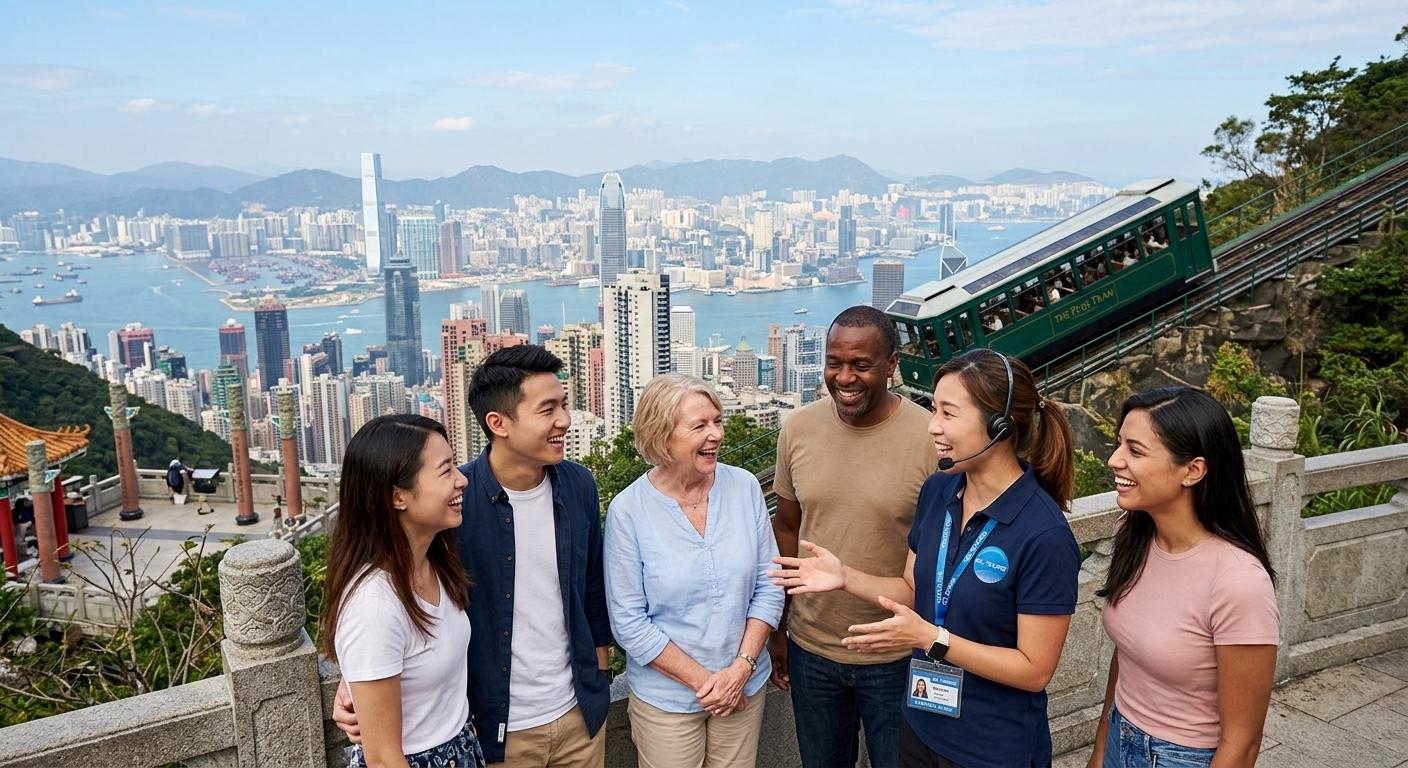
Ride the iconic Peak Tram, explore historic neighborhoods, and taste award-winning dim sum on this full-day guided adventure.
ReservePrices from verified partners. Availability updates in real time at checkout. Free cancellation policies apply where shown.
The landmarks, rooms, and views travelers on Hong Kong Food tours remember — all visible on a single visit.
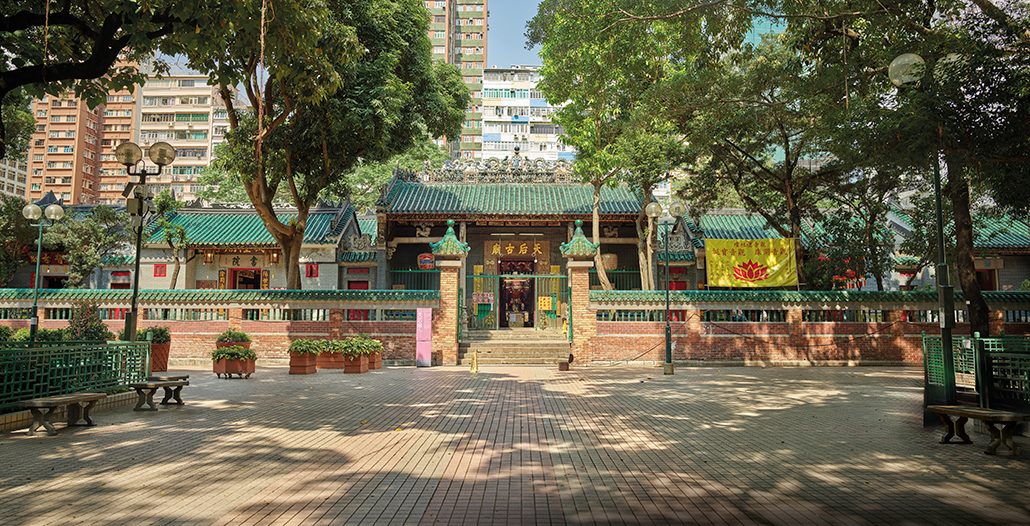
A historic site often included in a hong kong food tour for its cultural significance and traditional architecture.
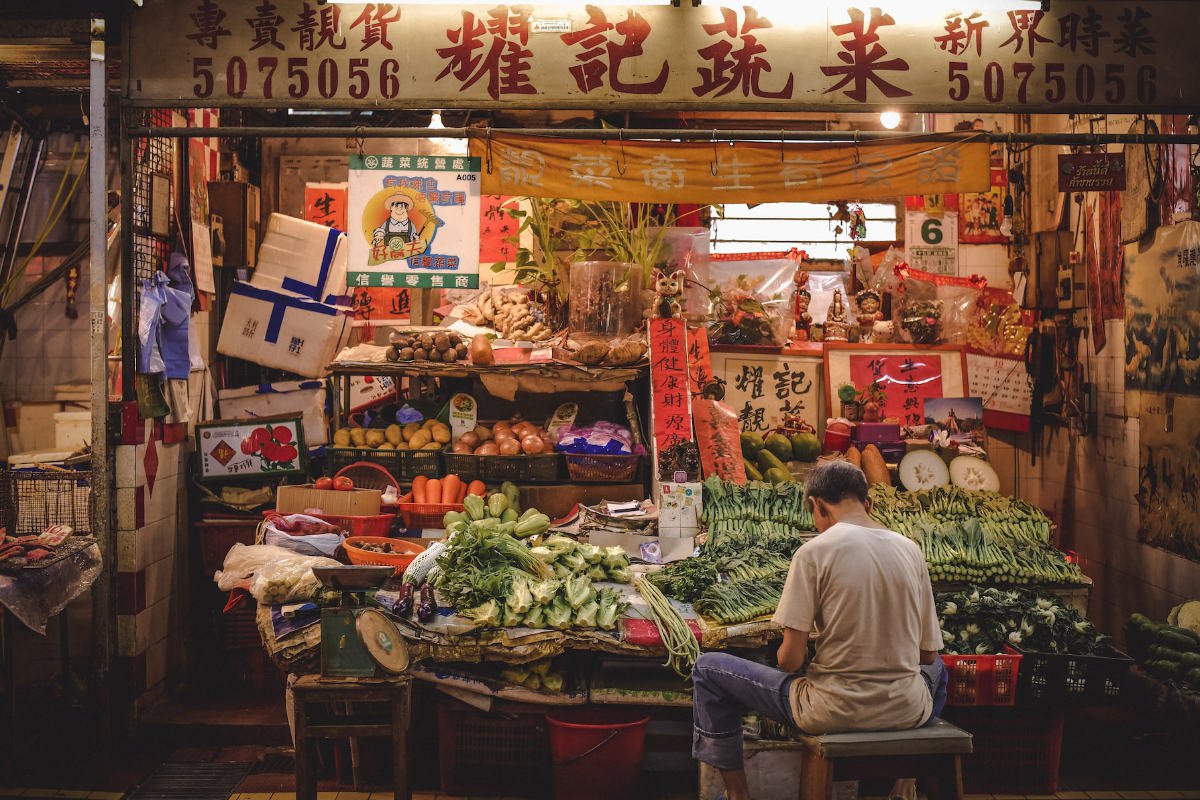
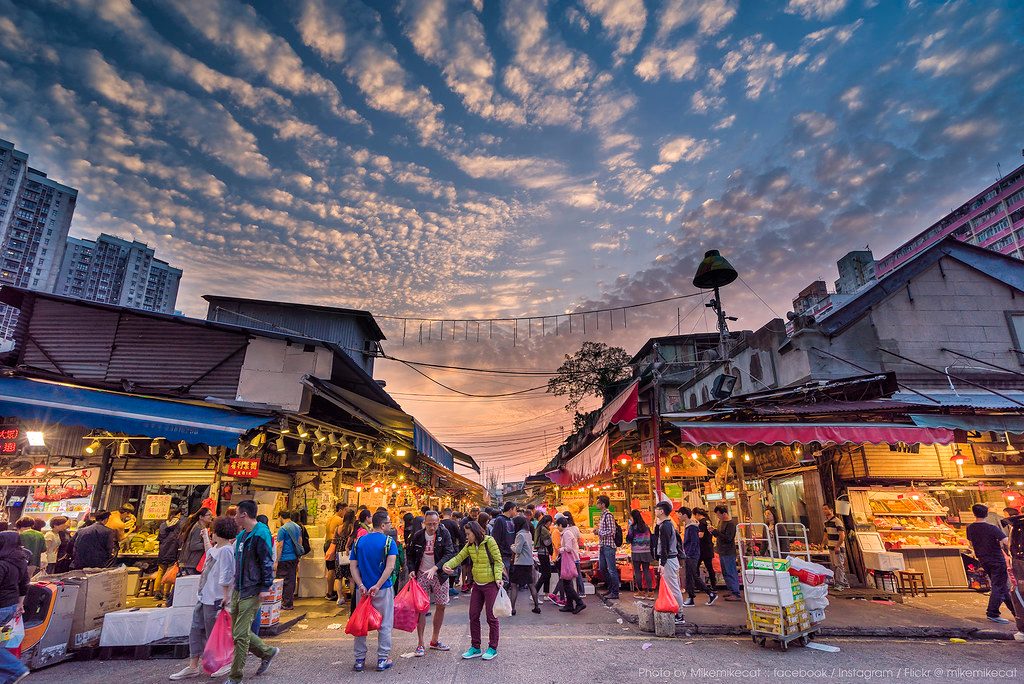
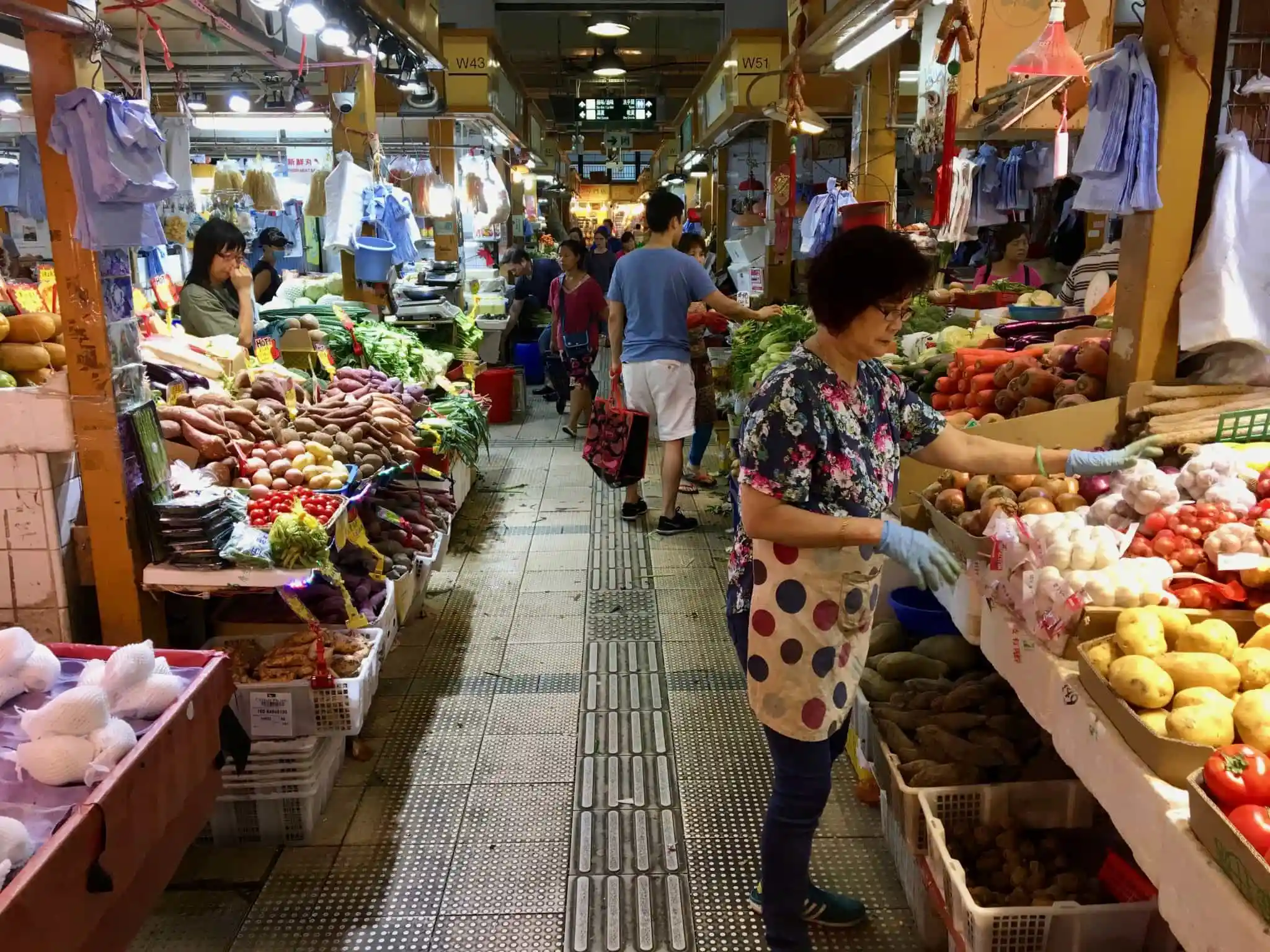
Discover where locals buy ingredients for the classic dishes sampled during your hong kong food tour.
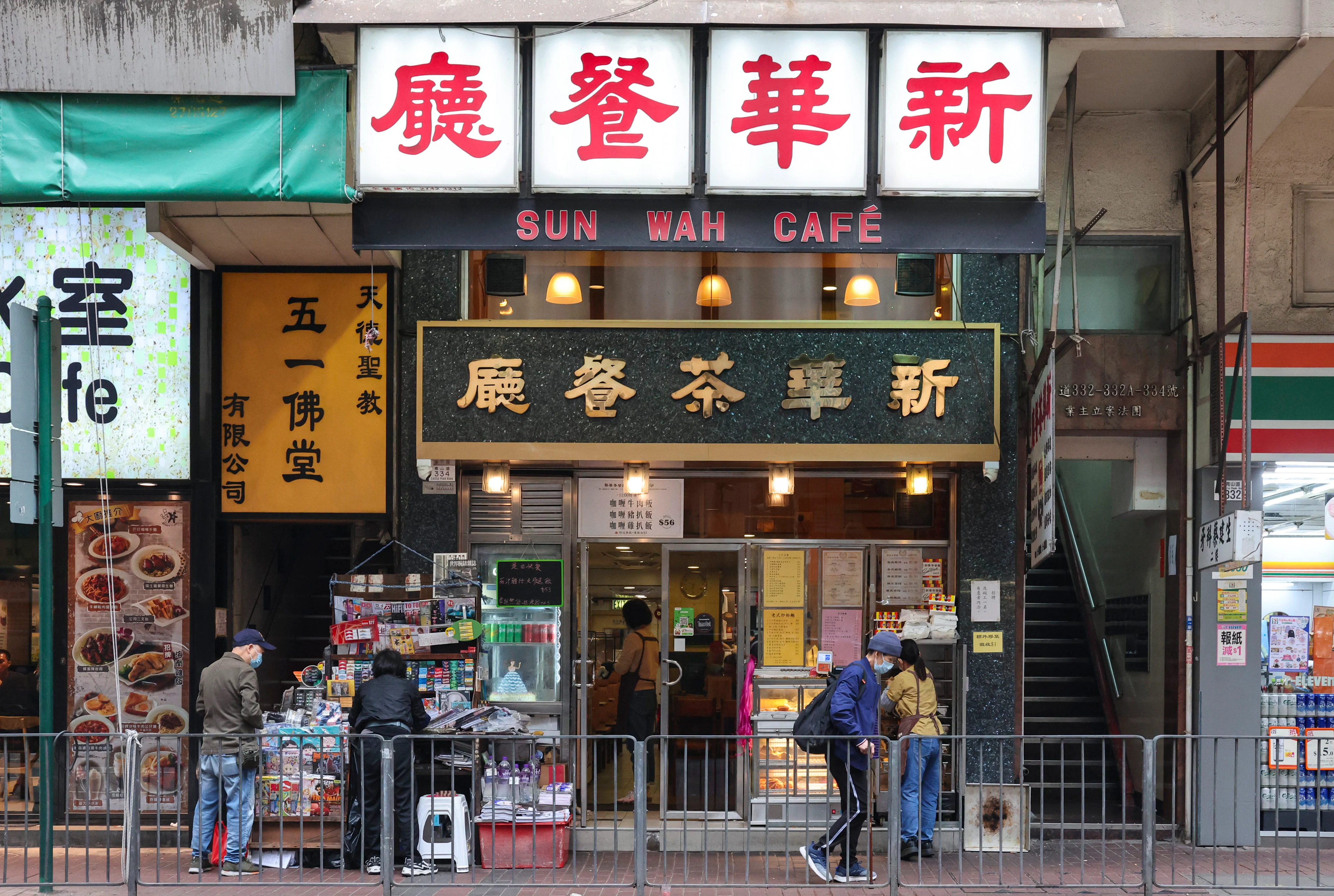
Learn about the unique fusion culture of these iconic local diners featured in a hong kong food tour.
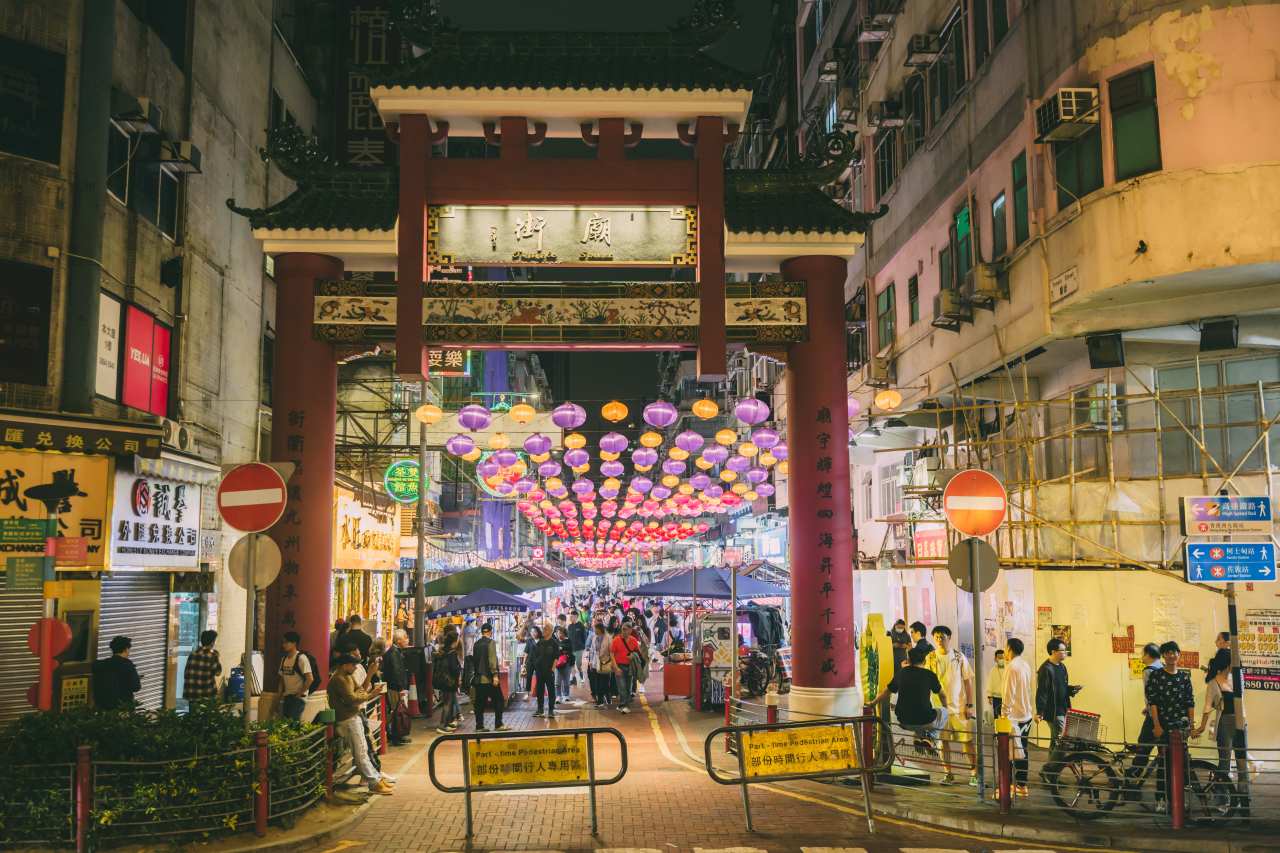
An iconic landmark often viewed during an evening hong kong food tour.
A vibrant, rustic hub that provides a behind-the-scenes look at local logistics during a hong kong food tour.
Every Hong Kong Food tour side-by-side — duration, what's included, how you redeem.
| Experience | Duration | Rating | Transfers | Pickup | Guide | Free cancel. | Price | |
|---|---|---|---|---|---|---|---|---|
|
Standard Entry Most popular
Hong Kong Street Food & Cultural Heritage Tour
|
3 hr | ★ 4.9 | — | — | ✓ | ✓ | €51 | Book → |
|
Standard Entry
Hong Kong Gems Food Tour with Dim Sum & Local Tastings
|
3 hr | ★ 4.9 | — | — | ✓ | ✓ | $105 | Book → |
|
Guided Experience
Hong Kong Highlights: Peak Tram, Old Town Walk & Dim Sum
|
7 hr | ★ 4.4 | ✓ | ✓ | ✓ | ✓ | €70 | Book → |
All prices from verified partners. Availability and exact terms confirmed at checkout.
They complement each other; most visitors who do both call the guided hong kong food tour the more insightful choice for deep cultural context. While independent planning offers freedom, professional hong kong food tour tours bridge the gap between street stalls and local history.
| Feature | Top pick Hong Kong Food Tour | Self-Guided Itinerary |
|---|---|---|
Structure and Insight |
Expert narrative and historical context | Independent pacing and personal discovery |
Flexibility |
Fixed schedule and group departure | Full autonomy over timing |
Cost Efficiency |
0 HKD service fee plus food costs | 0 HKD entry plus food costs |
Language Support |
Multilingual guides for menu translation | Relies on apps or local signage |
Social Interaction |
Group environment with fellow travelers | Private experience or solo exploration |
| See tickets → |
Verdict: Securing hong kong food tour tickets is best for those prioritizing curated narratives, whereas the self-guided approach suits travelers seeking complete control over their hong kong food tour tour experience.
Choose your ticket, select your date, and reserve in under two minutes. Secure checkout handled by our verified partner.
Instant confirmation by email, with a mobile voucher you can save offline. No printing, no queuing at a collection desk.
Arrive at the entrance, show your voucher on your phone, and walk in. Most tickets include priority or skip-the-line access.
Practical details for Hong Kong Food tickets straight from our verified partners — hours, access, rules, and how to get there.
Exit A
Common for Kowloon food routes
Open in Google MapsMTR is the most efficient way to reach meeting points
Available throughout the city
Wear comfortable walking shoes suitable for Hong Kong's busy street surfaces. Modest clothing is recommended when visiting local temples during the hong kong food tour.
Travel light as storage is not provided. Large bags are cumbersome in crowded markets and small eateries typical of any professional hong kong food tour.
Photography is generally encouraged at markets and landmarks. Always respect privacy in small family-run shops and kitchens.
Many routes involve flat terrain but may include stairs in historic buildings. Please notify your hong kong food tour operator of mobility concerns before booking.
Keep devices charged for navigation and photos. Most guides use mobile messaging to share real-time updates for the hong kong food tour.
Children are welcome on many guided culinary walks, though some age restrictions apply for specific adult-oriented tastings. Always confirm family policies when purchasing your hong kong food tour tickets.
Tastings range from street food to traditional restaurant specialties. Inform your guide of severe allergies immediately upon booking a hong kong food tour.
Pets are not permitted on group culinary tours. Service animals may be accommodated with advance notice.
Most operators run rain or shine. Tours may be suspended during typhoon signals or extreme rain warnings.
Best time to go, insider tips, nearby landmarks, and the cancellation fine print — flip through to skim what matters to you.
How crowds, weather, and events shift across the year.
September–November offer pleasant weather and lower humidity for walking tours.
March–May is ideal for colorful festival events and blooming parks.
June–August is hot and humid; best for indoor food hall visits.
December–February is dry and cool, perfect for hotpot and winter delicacies.
Small details that turn a good visit into a great one.
Popular tours sell out weeks in advance; secure your hong kong food tour tickets early.
Smaller stalls often do not accept credit cards during the hong kong food tour.
List allergies in the booking notes for any hong kong food tour.
You will be walking frequently during your hong kong food tour tour.
Carry a water bottle during long sessions of a hong kong food tour.
Ask permission before filming workers in busy markets during your hong kong food tour.
Non-bookable sights within a short walk — free to visit, easy to pair.
Historic temple known for its hanging incense coils
Restored historic market building featuring modern shops
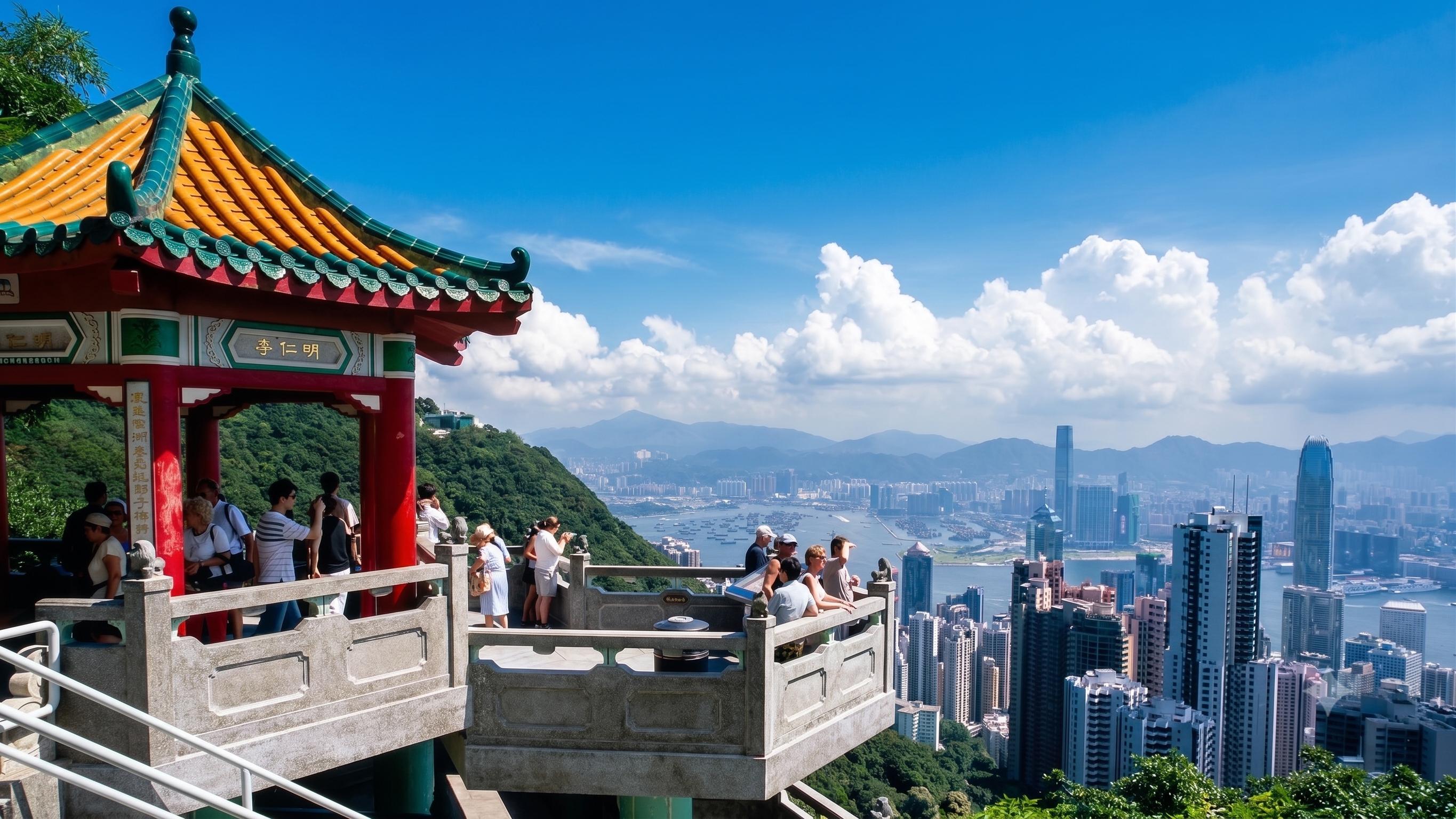
Iconic summit providing panoramic skyline views
Famous night market with local street food stalls
Flexible, no hidden fees.
Full refunds are typically available for cancellations made at least 24 hours in advance. Entrance fee is 0 HKD for these service-based experiences.
Hand-picked options within walking distance — pick a district for vibe, or a specific hotel for convenience.
Historic hotel with legendary afternoon tea
Modern harbor-front hotel with spacious rooms
Budget-friendly accommodation in Mong Kok
Hong Kong's culinary identity was forged in the 1950s when Cantonese refugees opened dai pai dong stalls under government licence, transforming street corners into open-air kitchens that still operate today.
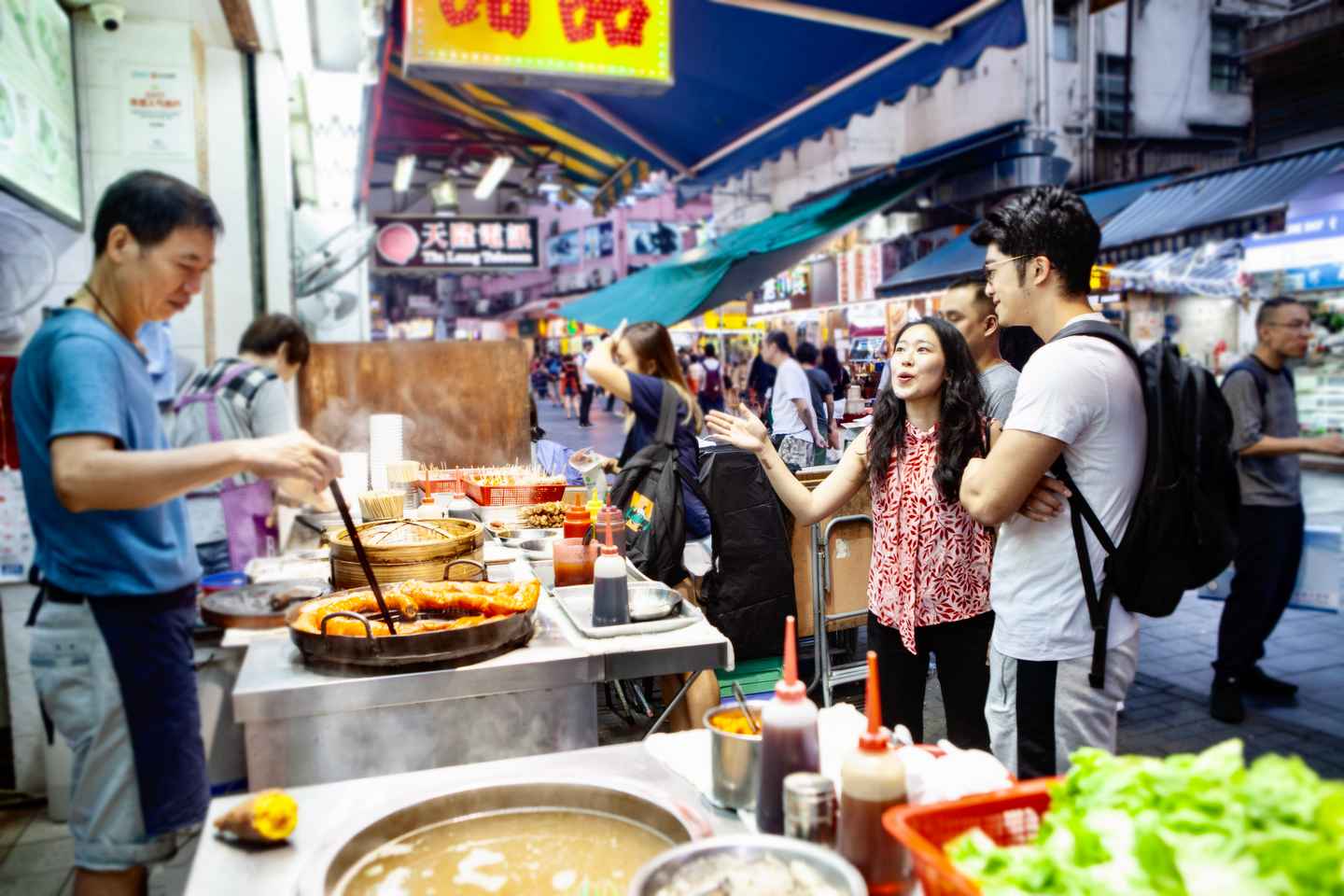
These metal-shuttered stalls serve clay-pot rice, wonton noodles, and stir-fried beef ho fun under fluorescent tubes, anchoring neighbourhoods from Sham Shui Po to Wan Chai. The territory's 38 wet markets—most built between 1960 and 1985—remain the backbone of daily provisioning, their tiled halls stacked with live seafood tanks, hanging poultry, and vendors who butcher to order.
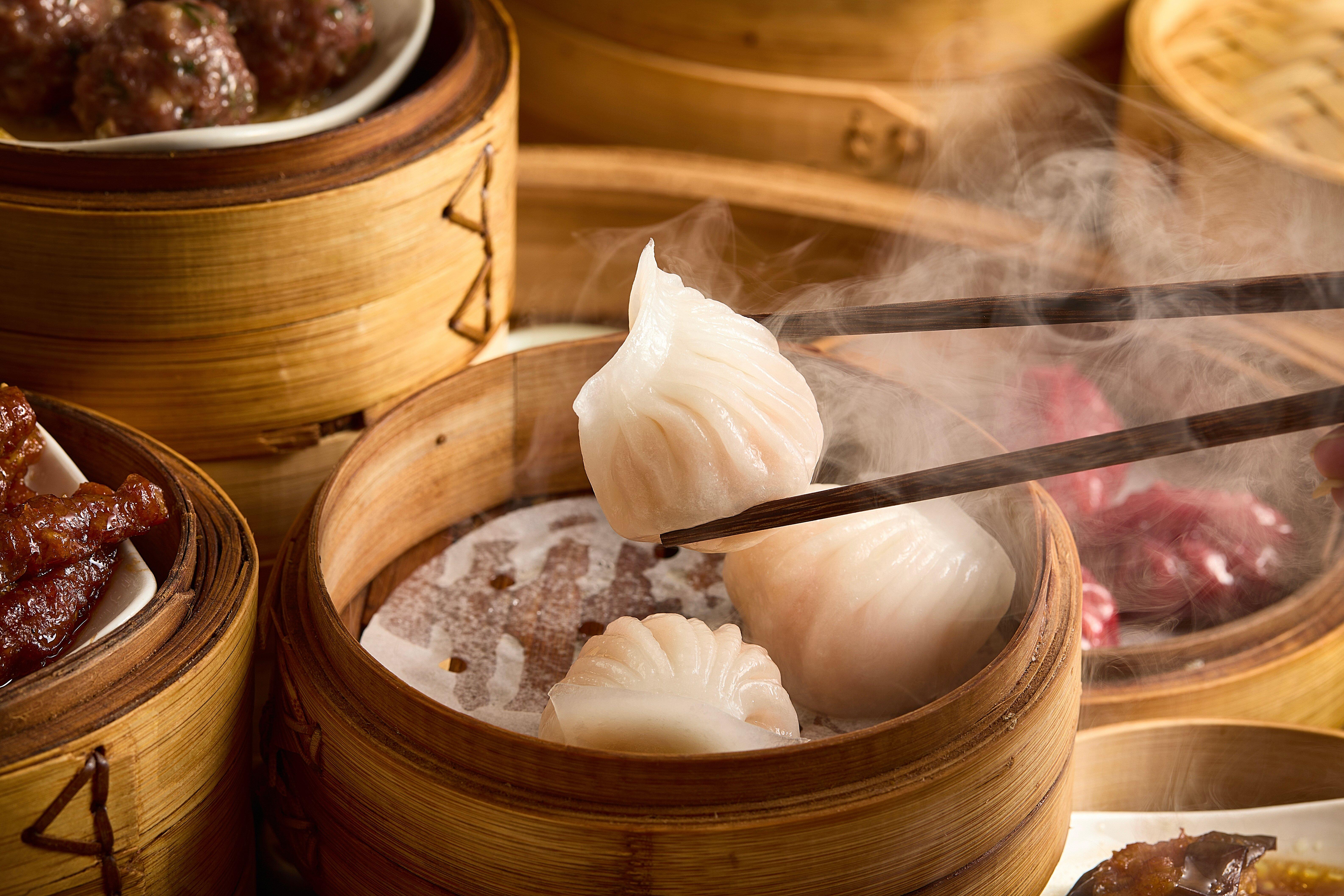
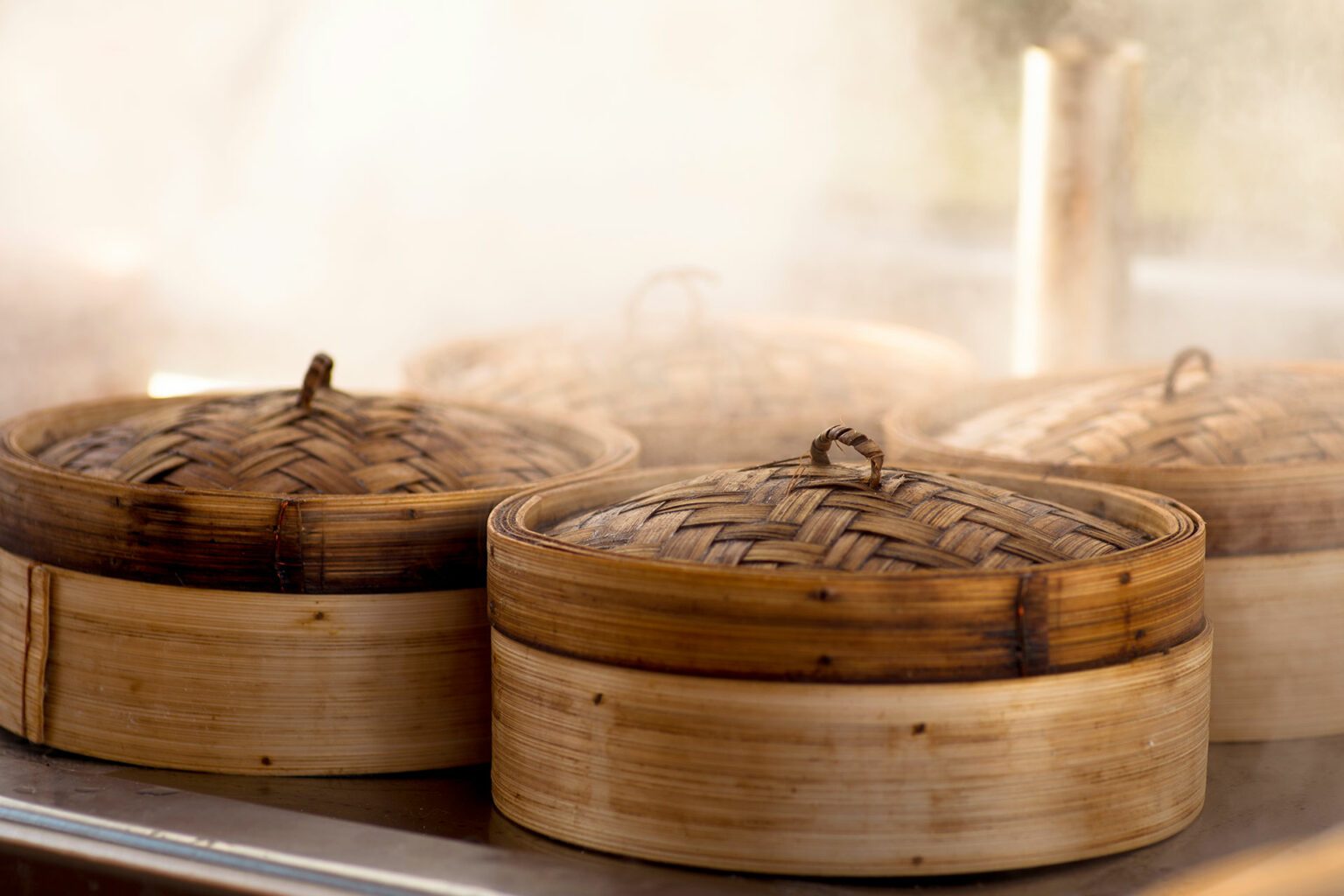
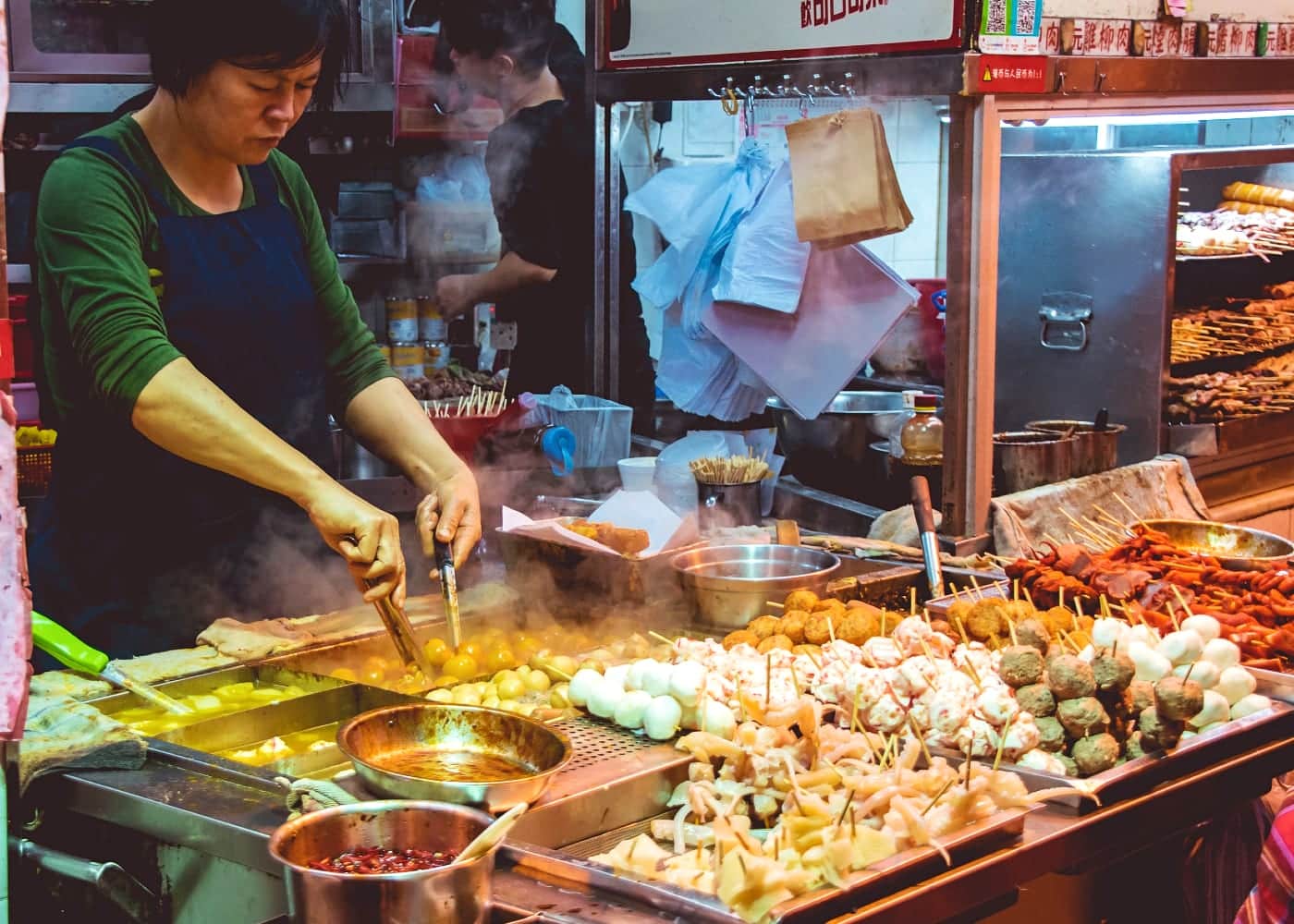
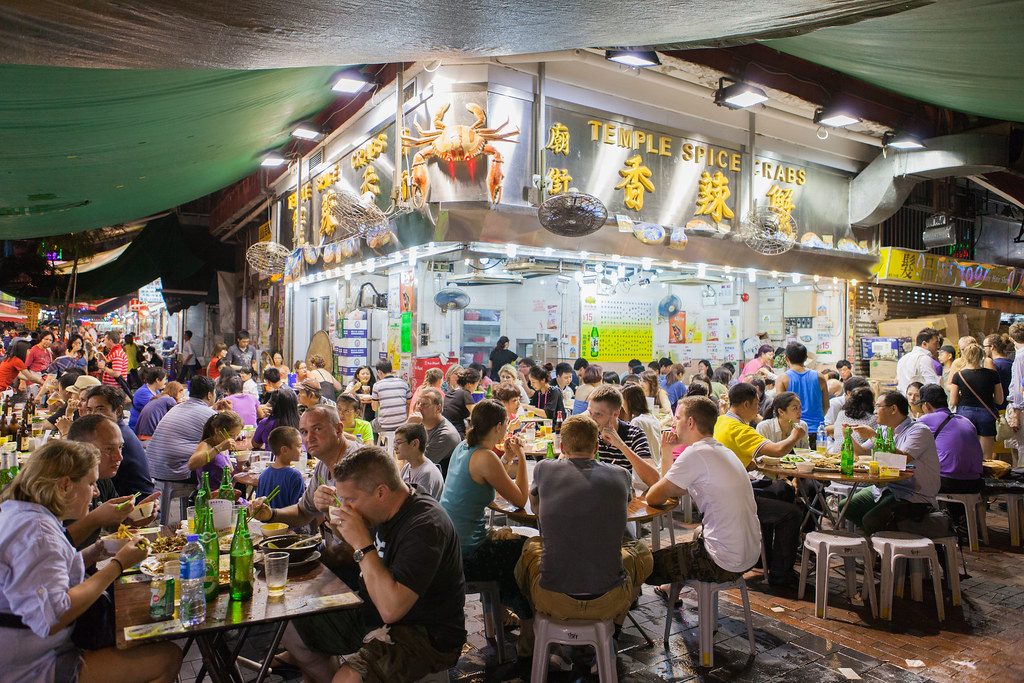
A Hong Kong food tour traces this layered history through Kowloon's Temple Street night market, where trolley carts dispense curry fish balls and deep-fried tofu, and Central's Sheung Wan district, where century egg suppliers and dried seafood merchants occupy the same shopfronts their families leased in the 1970s. Dim sum houses like Lin Heung Tea House preserve the cart service model that predates point-and-order menus, wheeling bamboo steamers of har gow and siu mai past communal tables at 07:00 each morning. The city's 15,000 licensed restaurants span Michelin-starred Cantonese dining rooms and single-dish noodle shops where recipes have remained unchanged for four decades.
Foods in Hong Kong reflect the Pearl River Delta's agricultural calendar and the territory's role as a deepwater port. Spring brings hairy crab from Jiangsu lakes, autumn delivers pomelo from Guangdong orchards, and year-round container ships unload Australian beef and Norwegian salmon for hot pot restaurants. Hong Kong food price structures favour volume: a full dim sum breakfast costs 40–60 HKD, while street snacks—egg waffles, pineapple buns, fish balls—range from 8 to 25 HKD per item. Hong Kong snacks to bring back include wife cakes from Yuen Long bakeries, XO sauce from Sheung Wan spice merchants, and vacuum-sealed preserved plums from herbalist shops.
Guided culinary walks typically cover 1.5 to 3 kilometres, stopping at six to ten vendors across neighbourhoods like Mong Kok, Tai Hang, or Kennedy Town. Most Hong Kong food tour tours begin between 09:00 and 10:30 to coincide with wet market trading hours and dim sum service windows. The city's food density—an average of 11 restaurants per city block in Tsim Sha Tsui—allows concentrated tastings within compact walking radii.
"These metal-shuttered stalls serve clay-pot rice, wonton noodles, and stir-fried beef ho fun under fluorescent tubes, anchoring neighbourhoods from Sham Shui Po to Wan Chai."
A step-by-step walkthrough of Hong Kong Food tickets — what you'll see, how long each stage takes, and the details that matter.
You meet your guide at 09:30 in Mong Kok, where the morning's first stop is a wet market vendor slicing geoduck clams and filleting grouper from aerated tanks. Your group samples steamed rice rolls at a cart stall, the silky noodle sheets filled with shrimp and dressed with sweet soy and sesame oil.
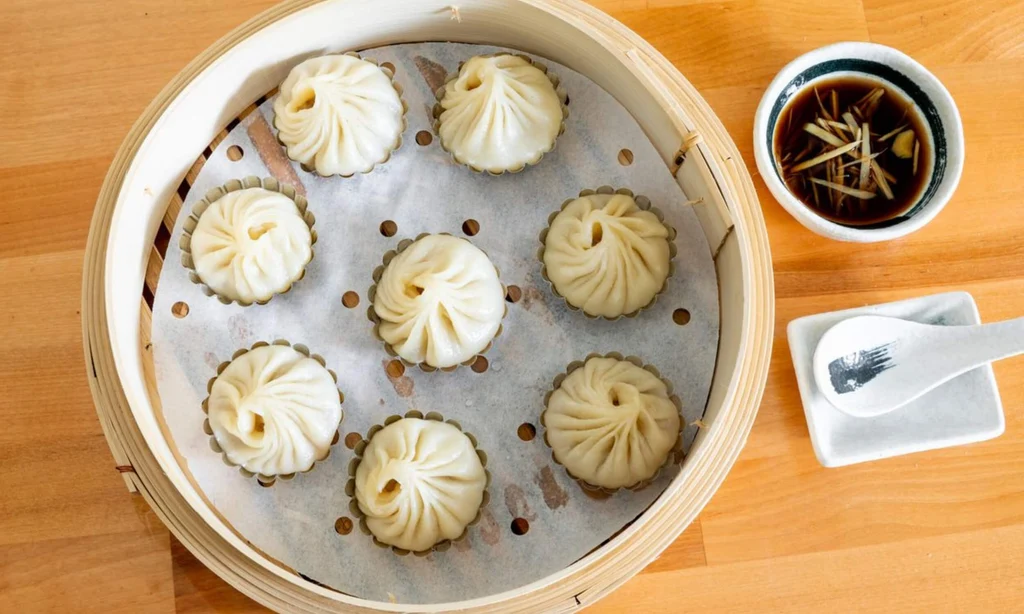
Two blocks north, you enter a dim sum house where trolleys circle tables stacked with har gow, char siu bao, and custard buns—your guide orders in Cantonese, securing a bamboo steamer of freshly made dumplings.
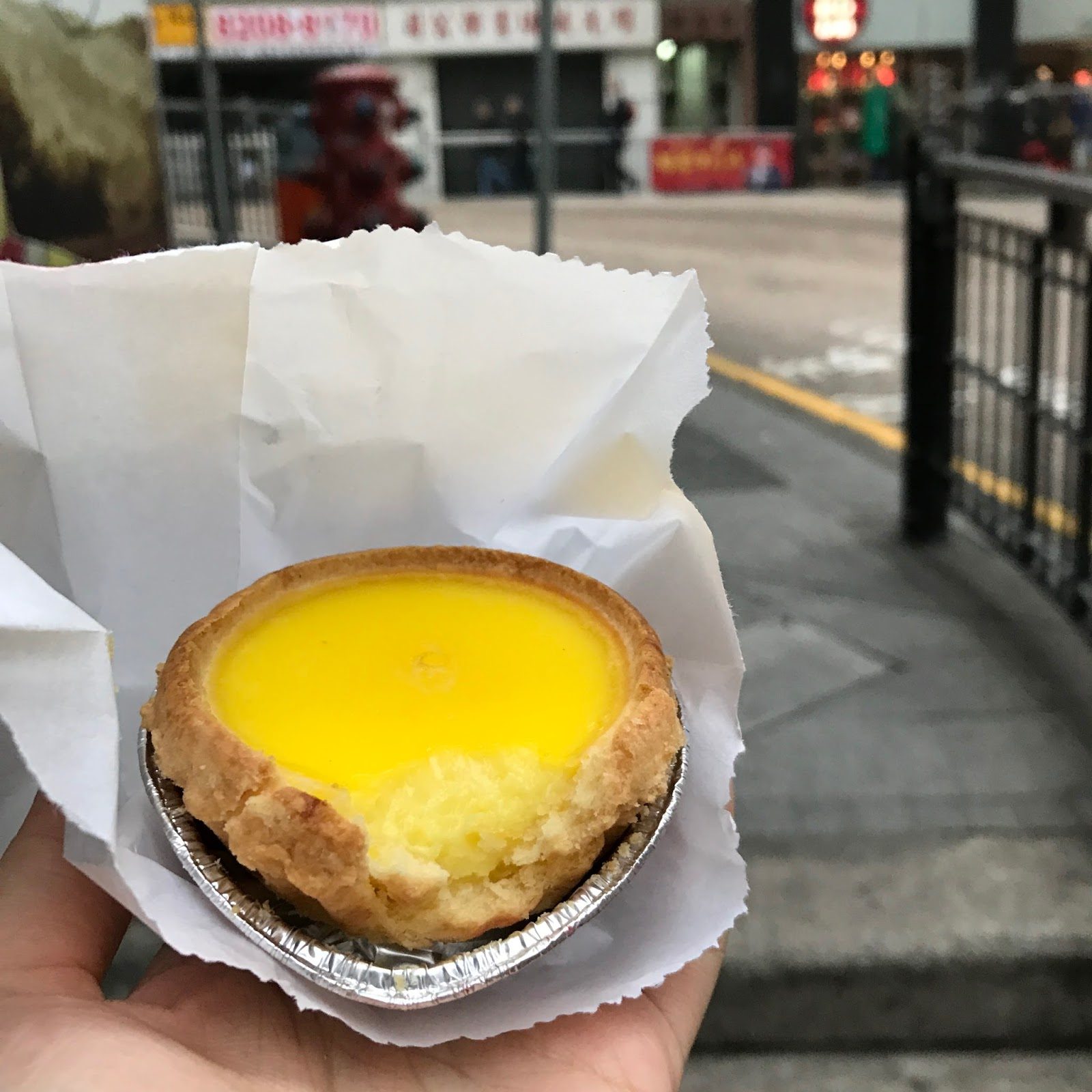
The walk continues through Sham Shui Po's fabric district, pausing at a dai pai dong for wonton noodles served in pork-bone broth, the dumplings hand-wrapped that morning. You try pineapple buns at a bakery that's operated since 1972, the sweet crust still warm from the oven. At a herbalist shop, the guide explains the function of dried tangerine peel and lotus seed in Cantonese soups. The tour closes at a cha chaan teng—a hybrid café serving Hong Kong-style French toast, milk tea pulled through a silk stocking filter, and egg tarts with flaky pastry shells. You leave with a paper bag of wife cakes and a jar of homemade chilli oil, your receipt listing ten stops across 2.3 kilometres.
Most tours operate between 09:00 and 18:00, with the best arrival window being 09:00–14:00 to catch local market activity.
Accessibility varies; some routes include stairs, so please check with the operator of your specific hong kong food tour.
It is best to bring minimal gear, as space in local eateries and markets during a hong kong food tour is limited.
You can purchase hong kong food tour tickets through official operator websites or reputable travel platforms.
The best time for a hong kong food tour is during the cooler months of autumn (September to November) or spring (March to May).
Dress comfortably for walking, but maintain modest attire when your hong kong food tour visits local temples.
Most all-inclusive packages cover food; however, some private hong kong food tour services charge for items separately.
Use the MTR system to navigate to your hong kong food tour meeting point efficiently.
Yes, families are usually welcome, though you should check the minimum age requirement for each specific hong kong food tour.