
English| EUR
Suggested for you
More currencies
Choose a language
Hong Kong's food scene operates across neighborhoods and price points, from early-morning cha chaan teng breakfast counters to late-night seafood markets. Most establishments open by 06:00 and serve until 23:00, though individual venue hours vary widely. Understanding when and where to eat shapes every visit.
Quick answer
Hong Kong's dining venues typically operate from 06:00 to 23:00 daily, with entry free to public dining areas—costs depend entirely on what you order. Peak meal periods (12:00–14:00, 18:30–21:00) mean longer waits and reduced table availability. Arriving during off-peak windows between 06:00 and 22:00 ensures better service and seating, particularly in high-traffic districts like Central, Tsim Sha Tsui, and Mong Kok.
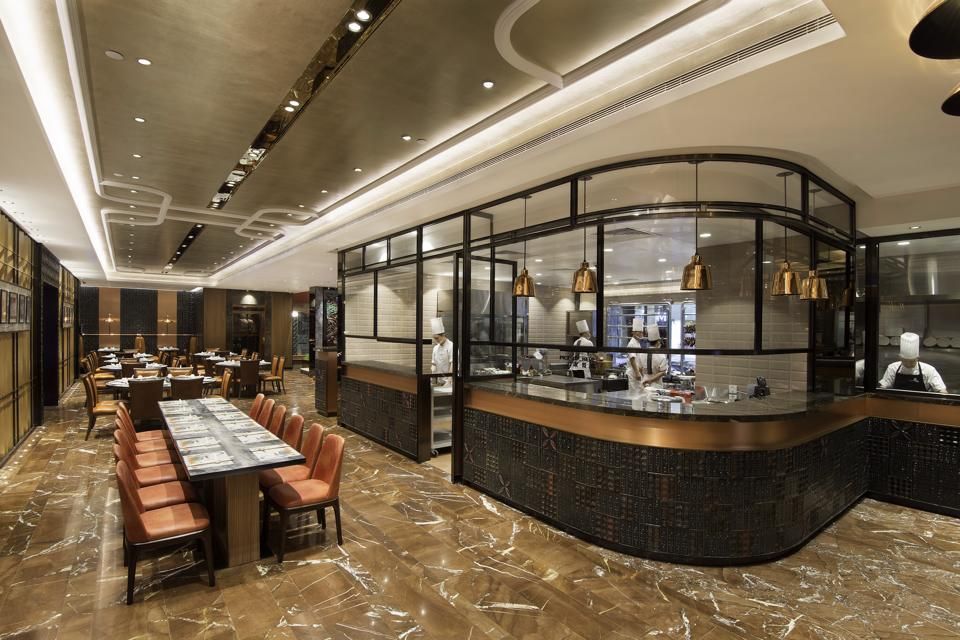
Hong Kong sustains one of the world's highest restaurant densities per capita, with over 15,000 licensed food establishments compressed into 1,100 square kilometers. A single city block in Causeway Bay or Sheung Wan can house a dozen dining concepts across five floors, each serving distinct regional Chinese cuisines alongside Japanese izakayas, Thai noodle shops, and French bistros. The culinary geography divides into clear tiers. Cha chaan teng diners and dai pai dong open-air stalls anchor working-class neighborhoods, serving congee, noodles, and milk tea from sunrise through late evening. Mid-tier Cantonese seafood restaurants and dim sum parlors dominate Kowloon and the New Territories, where family-style ordering and lazy Susan tables define the experience. Upper floors of commercial towers in Central and Admiralty house the city's concentration of Michelin-starred venues, many requiring advance reservations and imposing dress codes. Timing dictates experience quality across all segments. Breakfast service at traditional dim sum houses begins at 06:00, with the finest selection of har gow and char siu bao available before 09:00. Lunch rushes peak between noon and 14:00 when office workers flood street-level noodle shops and fast-casual chains. Dinner service intensifies after 18:30, particularly on weekends, when multi-generational family groups claim tables for two-hour Cantonese banquets. Late-night food culture thrives in Temple Street, where seafood stalls and claypot rice vendors operate past midnight. Food costs span extreme ranges. A bowl of wonton noodles at a neighborhood shop costs 35–50 HKD, while a ten-course tasting menu at a harbor-view establishment exceeds 2,000 HKD per person before beverages. Street snacks like egg waffles and fish balls run 15–25 HKD. Understanding this pricing landscape before arrival prevents budget surprises and allows strategic allocation across meal types. The hong kong food review consensus favors mixing venue tiers—breakfast at a cha chaan teng, lunch at a mid-tier seafood restaurant, and dinner at a rooftop establishment—to capture the full spectrum without financial excess.
“A single city block in Causeway Bay or Sheung Wan can house a dozen dining concepts across five floors, each serving distinct regional Chinese cuisines alongside Japanese izakayas, Thai noodle shops, and French bistros.”
The culinary venues featured in this Hong Kong food review maintain a consistent schedule throughout the week. Guests may visit daily from early morning until late evening.
To experience Hong Kong's culinary landscape effectively, aim for an arrival between 06:00 and 22:00. This window allows visitors to navigate between peak mealtime surges, ensuring higher service quality and greater seating availability.
—
Early visits provide the most consistent service levels.
Mild, 20°C–25°C
Comfortable temperatures make walking between venues easier.
Hot, 28°C–32°C
Expect frequent rain and higher indoor humidity levels.
Variable, 15°C–20°C
Many local eateries may have limited operations.
Verdict: The optimal approach is to plan visits Tuesday to Thursday, arriving at 06:00 during the temperate months of October or November.
Admission to explore Hong Kong's culinary landscape is 0 HKD. Your actual expenditures depend entirely on the specific food and beverage items you choose to purchase.
Verdict: A typical adult pays 0 HKD for entry, with total costs varying based on personal food and beverage selections.
Hong Kong culinary reviews often focus on the contrast between historic dim sum parlors and the practical efficiency of local cha chaan tengs. These venues provide insight into the city's diverse food culture ranging from high-end banquet halls to neighborhood comfort food spots.
restaurant
A traditional dim sum parlor in Central known for its push-cart service and bustling atmosphere.
café
Located in Central, this venue is widely recognized for originating silk stocking milk tea and quick pork chop buns.
street
An extensive outdoor area in Yau Ma Tei offering various local snacks and grilled seafood options in an informal setting.
restaurant
A large-scale dim sum establishment in Central situated at City Hall that offers views of Victoria Harbour.
Hong Kong's food scene thrives on efficiency and shared space. Observing local dining customs ensures smoother service and respect for fellow diners.
Everything you need to know about hong kong food review
A high-quality hong kong food review typically analyzes flavor profiles, ingredient freshness, and historical context of local dishes. Readers should prioritize assessments that discuss the texture and preparation methods of iconic Cantonese staples. Many travelers find these insights valuable for navigating the bustling street food scenes across the territory. Professional critiques often highlight specific regional specialties such as dim sum, roast goose, or milk tea.
Entrance to the general area is 0 HKD, meaning there is no cost to enter. Please note that payment is required for any food and beverages you choose to purchase during your visit. Visitors should carry sufficient local currency to cover their dining expenses at various stalls.
Reading a comprehensive hong kong food review allows you to identify specific culinary hotspots that align with your personal tastes. It helps streamline your itinerary by providing realistic expectations regarding service speed and dish popularity. This preparation ensures you make the most of your time while navigating the vibrant dining scene. You can then use this information to select an organized excursion that focuses on your preferred delicacies.
The best arrival window is 06:00–22:00 to ensure you avoid peak mealtime crowds. Visiting during these hours provides better service and greater seating availability at popular venues. Following this guidance helps you experience the local atmosphere without unnecessary delays. It is a simple way to improve your overall outing.
Yes, you can certainly conduct a self-guided Hong Kong gastronomic exploration by visiting local markets and recommended eateries. Many visitors prefer this approach for the flexibility it offers in choosing their own dining pace. You should consult a detailed map to link your preferred venues efficiently. The city is highly accessible via public transport, making independent travel quite convenient.
The most common mistake is ignoring the publication date of a hong kong food review, as the local dining scene evolves rapidly. Always verify that the information is current to ensure the venue is still operating as described. Outdated recommendations can lead to disappointment if menus or management have changed. Checking recent updates is a standard part of effective trip planning.
Yes, children are welcome at most dining venues, though some smaller, crowded stalls may be challenging for strollers. It is advisable to visit during the recommended arrival window to secure comfortable seating for families. Many local dishes are approachable for younger palates, such as steamed buns or egg tarts. Parents should prepare for a busy and lively environment.
You can find reliable insights by checking established travel forums and reputable culinary blogs that focus on local experiences. A thorough hong kong food review often includes details about accessibility and the general vibe of the establishment. Look for sources that provide consistent updates on city landmarks and dining trends. These platforms offer a wealth of information to guide your decision-making process.