
English| EUR
Suggested for you
More currencies
Choose a language
Foodborne illness can disrupt any trip, but knowing how to respond quickly makes all the difference. This guide walks you through recognizing symptoms, reporting incidents to Hong Kong's Centre for Health Protection, and taking steps to protect yourself before, during, and after meals.
Quick answer
If you suspect food poisoning in Hong Kong, contact the Centre for Health Protection at +852 2855 5800 to report the incident. The CHP operates a 24-hour hotline and investigates outbreaks linked to restaurants, street vendors, and catered events. Prompt reporting helps trace contamination sources and prevents wider outbreaks. Most cases resolve within 48 hours, but severe symptoms—persistent vomiting, high fever, bloody stool—require immediate medical attention at a public hospital or private clinic.
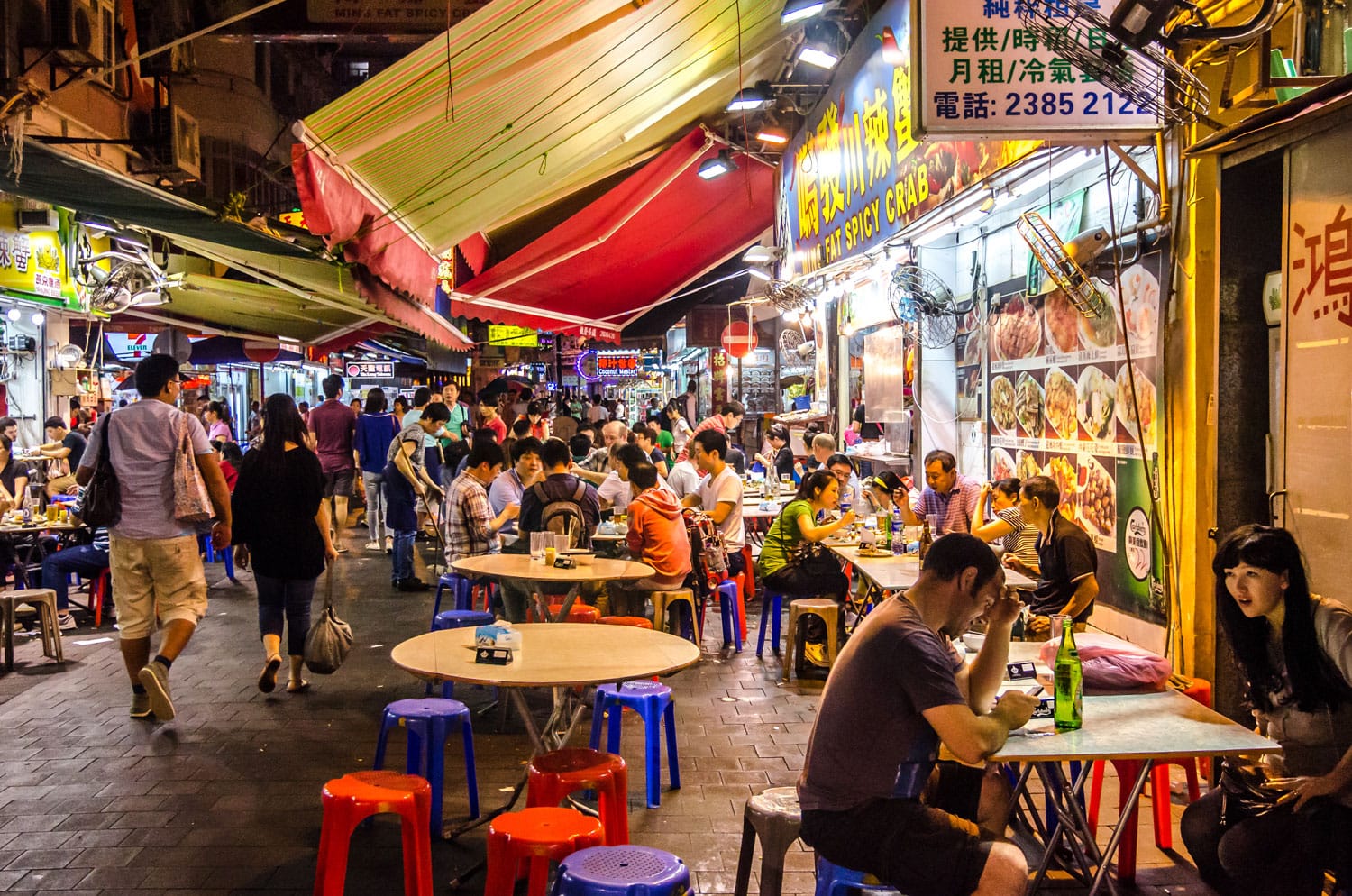
Hong Kong records roughly 400 confirmed foodborne illness outbreaks each year, with the majority traced to bacterial contamination in seafood, poultry, and egg-based dishes. The Centre for Health Protection fields thousands of reports annually and conducts on-site inspections when multiple cases link to a single establishment. Salmonella, norovirus, and Vibrio parahaemolyticus account for the bulk of laboratory-confirmed cases, and the city's subtropical climate accelerates bacterial growth during the humid months from May through September. Recognizing the symptoms early improves outcomes. Nausea, abdominal cramps, diarrhea, and vomiting typically appear between two and six hours after consuming contaminated food, though some pathogens incubate for 24 to 72 hours. Dehydration is the primary risk, especially for children and older adults, so oral rehydration solutions or bottled water with electrolyte powder should be kept on hand. If symptoms persist beyond 48 hours, or if you notice blood in stool or a fever above 38.5°C, seek medical care immediately rather than waiting for improvement. Preventing hong kong food poisoning starts with choosing vendors carefully. Look for current Food Hygiene Grade stickers displayed at restaurant entrances—the government's voluntary scheme rates establishments from A (excellent) to D (needs improvement). Avoid undercooked seafood, especially oysters and clams during warmer months, and steer clear of street stalls that leave ingredients unrefrigerated for extended periods. Wash hands before eating, particularly after handling cash or touching shared surfaces, and carry alcohol-based sanitizer when visiting outdoor markets or dai pai dong stalls. The CHP's reporting system serves a dual purpose: it protects individual health and strengthens the city's food safety surveillance network. When you file a report, an officer will ask for the meal's location, time, and specific dishes consumed, along with the names of others who shared the meal. This data feeds into outbreak detection algorithms that flag clusters within hours. The more detailed your report, the faster inspectors can identify contamination sources and halt distribution of tainted ingredients before additional cases occur.
“Hong Kong records roughly 400 confirmed foodborne illness outbreaks each year, with the majority traced to bacterial contamination in seafood, poultry, and egg-based dishes.”
The Centre for Health Protection operates as a public health office rather than a physical attraction, maintaining the following status for food poisoning inquiries.
Reporting cases of food poisoning to the Centre for Health Protection is a public service managed by the government. There are no charges associated with filing a report or seeking information regarding public health matters.
Verdict: The cost to report food poisoning is 0 HKD, as this is a government-funded public health function.
The Centre for Health Protection is located at 147C Argyle Street, Kowloon. The most efficient way to reach this facility is via the MTR or local bus services serving the Mong Kok or Ho Man Tin areas.
MTR East Rail Line to Mong Kok East Station
KMB Route 113 to Argyle Street
Direct to 147C Argyle Street
The best arrival window is 00:00–23:59. As this is an administrative facility, consider using a journey planner app to identify the specific exit from Mong Kok East Station that aligns with Argyle Street.
Food poisoning requires prompt action and documentation. Many visitors delay reporting or discard evidence that could help trace the source.
Ignoring mild symptoms and hoping they pass
Report any sustained nausea, vomiting, or diarrhea to the Centre for Health Protection within 24 hours, even if symptoms seem minor.
Throwing away leftover food or receipts from the meal
Preserve any uneaten food in a sealed container, keep your receipt, and note the restaurant name and dishes consumed—this evidence helps investigators trace outbreaks.
Waiting days before seeking medical attention or filing a report
Contact the Centre for Health Protection at +852 2855 5800 as soon as symptoms develop; early reporting improves outbreak detection and protects other diners.
Assuming one isolated case isn't worth reporting to authorities
Every report contributes to public health monitoring; even a single case can identify a contaminated batch or unsafe food handling practice.
Everything you need to know about hong kong food poisoning
If you experience symptoms of hong kong food poisoning, seek medical attention at a local clinic or hospital immediately. Keep a record of the meals you consumed prior to becoming ill to help healthcare providers identify the source.
While many visitors enjoy diverse local cuisine without incident, hong kong food poisoning can occur if hygiene standards are not met at certain food establishments. Practicing caution by choosing busy, reputable restaurants helps reduce the risk of gastrointestinal distress.
You should report suspected cases of food poisoning to the Centre for Health Protection by calling +85228555800. Providing detailed information about the time and place of consumption assists officials in conducting public health investigations.
There is an entrance fee of 0 HKD for reporting incidents to the Centre for Health Protection. This agency is a government body managing public health concerns rather than a private medical clinic or tourist attraction.
The Centre for Health Protection is not a medical facility for treating individual patients, and the offices are closed to the public. Please consult a private doctor or visit a public hospital emergency department if you require clinical care.
Symptoms of foodborne illness often include nausea, vomiting, diarrhea, and abdominal pain appearing shortly after consuming contaminated food. If you suspect you have contracted a foodborne disease, hydration is vital while you arrange to see a medical professional.
To minimize the risk of illness during your culinary journey, prioritize dining at establishments with high turnover and visible hygiene practices. Avoiding undercooked shellfish and ensuring hot food is served steaming can help you safely enjoy local landmarks and culinary experiences.