
English| EUR
Suggested for you
More currencies
Choose a language
Hong Kong's dining landscape spans from HK$30 noodle shops to Michelin-starred establishments charging ten times that amount. Understanding meal costs helps you navigate the city's culinary scene without overspending or missing signature dishes that define the local food culture.
Quick answer
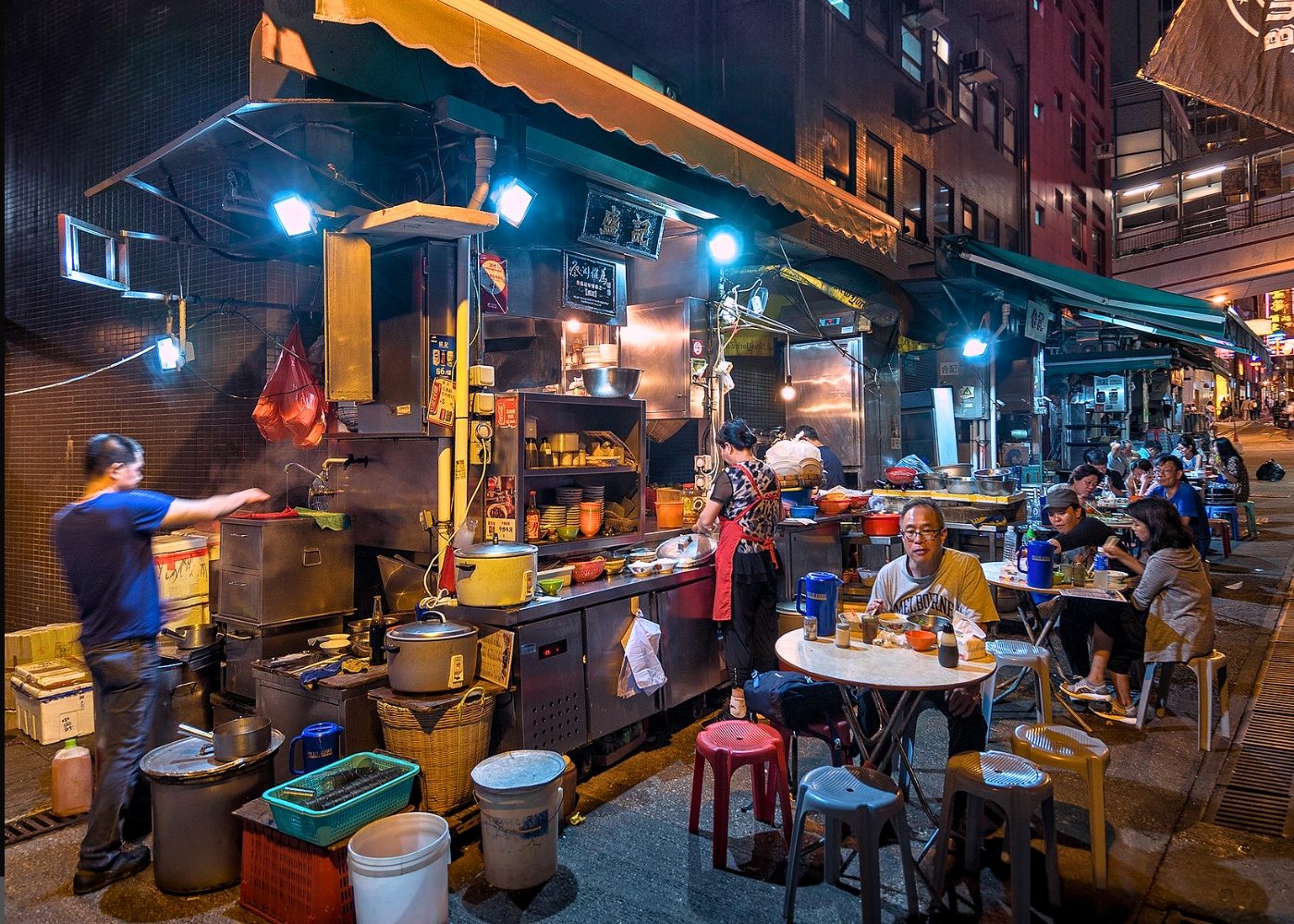
Dining costs in Hong Kong range from HK$30-60 for street food and local eateries to HK$150-300 for mid-range restaurants and HK$500-800+ for fine dining. A typical day of eating at neighborhood establishments costs HK$150-300 per person, covering breakfast at a cha chaan teng, lunch at a dai pai dong, and dinner at a casual Cantonese restaurant. Prices climb during peak lunch hours (12:00-14:00) and dinner service (18:30-21:00) at popular spots.
A bowl of wonton noodles costs less in Sham Shui Po than a latte costs in SoHo, yet both sit within a fifteen-minute MTR ride of each other. This price variance defines eating in Hong Kong, where neighborhood context determines what lands on your table and what disappears from your wallet. Cha chaan teng breakfasts run HK$40-70 for milk tea, scrambled eggs, and buttered toast—the same meal structures that have fueled the city since the 1950s. Dim sum prices vary by district and venue style: a cart-service restaurant in Mong Kok charges HK$25-35 per steamer basket, while a harbor-view establishment in Tsim Sha Tsui asks HK$50-80 for identical har gow and siu mai. The dumplings taste nearly identical; you're paying for real estate and linen napkins. Street food stalls and cooked food centers deliver the most accessible entry point to Cantonese cuisine. Curry fishballs cost HK$10-15 per skewer, egg waffles run HK$15-25, and a full plate of cheung fun with char siu tops out around HK$35. These aren't tourist approximations—they're what office workers eat during lunch breaks and what families grab after evening markets. Mid-range Cantonese restaurants charge HK$200-400 per person for multi-course meals featuring clay pot rice, steamed fish, and seasonal vegetables. Fine dining establishments and hotel restaurants command HK$800-1,500+ for tasting menus, though the ingredients and techniques justify the premium for those seeking culinary precision. The hong kong food price guide you construct depends entirely on which neighborhoods you explore and whether you prioritize novelty or the everyday meals that define local eating patterns. Budget according to your comfort with shared tables, Cantonese-only menus, and the willingness to eat where the neighborhood eats rather than where guidebooks point.
“A bowl of wonton noodles costs less in Sham Shui Po than a latte costs in SoHo, yet both sit within a fifteen-minute MTR ride of each other.”
Hong Kong offers a vast spectrum of dining options, ranging from affordable street-side stalls to premium international establishments. Daily food expenditures depend heavily on your preference for local cha chaan tengs versus high-end fine dining.
How to spend less
Verdict: A daily food budget in Hong Kong typically ranges from 250 HKD for a budget-conscious traveler to over 1,500 HKD for those seeking premium dining experiences.
There is no universal entrance fee for dining in Hong Kong. Costs are determined entirely by the individual food items and services selected at each establishment.
Verdict: A typical adult pays 0 HKD for entry, with total costs fluctuating based on individual food and drink consumption.
The best arrival window is 07:00–22:00 to avoid peak lunch and dinner crowds at popular local eateries. Visiting outside of traditional meal rushes often secures better access to seating and more relaxed dining environments.
—
Arrive early to experience local breakfast culture before the busy workday begins.
—
This period is ideal for avoiding the heavy lunch and dinner traffic at local establishments.
Cool, dry; 20°C–25°C
Mild weather makes outdoor or busy dining settings more comfortable during peak tourism months.
Warm, humid; 23°C–28°C
Expect higher humidity, though weekday visits during these months remain manageable for food exploration.
Verdict: The concrete best slot for navigating food venues is Tuesday to Thursday between 07:00–22:00 during the months of April or October.
Hong Kong offers a wide spectrum of dining options, ranging from efficient street-level stalls to traditional seated establishments. Choosing between bustling local markets and casual neighborhood eateries significantly influences your overall food expenditure.
street
Located in Yau Ma Tei, this area features numerous stalls serving snacks and claypot rice at lower price points.
restaurant
Found in Central near the Mid-Levels escalator, this traditional dai pai dong serves noodle dishes and tomato-based soups.
café
Situated in Central, this historic shop is known for milk tea and quick breakfast items within a compact setting.
market
This Central market provides access to fresh fruit and local produce, allowing for affordable self-guided snack options.
Navigating local dining requires understanding nuanced pricing structures and payment customs to maximize your food budget.
Many upscale restaurants offer fixed-price lunch sets that cost significantly less than dinner menus. Look for these between 12:00 and 14:00 to access premium dining at a fraction of the cost.
Most local eateries and cha chaan tengs accept Octopus cards for faster transactions. Keeping this card topped up helps you avoid handling small change in busy venues.
Some traditional dim sum restaurants apply a per-person tea charge that is often not included on the menu price. Ask staff about this fee if you prefer not to order tea.
Hotel breakfast buffets are rarely cost-effective compared to local options. Explore nearby neighborhood cafes for congee or pineapple buns to save significantly.
Many small local noodle shops and casual stalls do not add service charges. Check the bill for hidden fees, as these establishments usually operate on a net price basis.
Local restaurants frequently advertise set menus for two or more people. These often provide better value and a wider variety of dishes than ordering strictly a la carte.
Everything you need to know about hong kong food price
The cost of eating out varies widely depending on your choice of venue, ranging from affordable cha chaan teng breakfast sets to premium fine dining experiences. While street snacks are very inexpensive, a standard meal in a casual setting typically ranges from 50 to 150 HKD per person. There is 0 HKD entrance fee for local food markets or culinary landmarks in the city. You may freely explore these areas without paying an admission charge, though individual food items are priced separately by vendors. To manage your expenses, prioritize local dai pai dongs and traditional bakeries which offer great value. Planning your visit around local dining habits helps in navigating the diverse culinary landscape effectively. You will find that local street food stalls often provide the most economical options for those looking to sample authentic flavors. High-end restaurants and hotel dining rooms generally command higher prices compared to neighborhood eateries. While menu prices remain relatively consistent throughout the day, some establishments offer special lunch sets that provide better value than dinner menus. Avoiding peak hours helps you secure a table without the rush, allowing for a more relaxed dining experience. Local neighborhood eateries consistently offer more competitive pricing than those located in major tourist hubs. Exploring districts outside the main city center often yields both better value and a more genuine taste of the region. There are generally no hidden costs beyond the menu prices at most establishments. Service charges of 10 percent are sometimes added to bills in sit-down restaurants, so it is helpful to check your receipt before payment.