
English| EUR
Suggested for you
More currencies
Choose a language
Hong Kong's food culture operates on precision timing and neighborhood knowledge. The same dish tastes different at 8 AM versus 2 PM, and the best versions often hide in districts tourists skip. This guide identifies what to order, where the locals queue, and when each dish hits its peak.
Quick answer
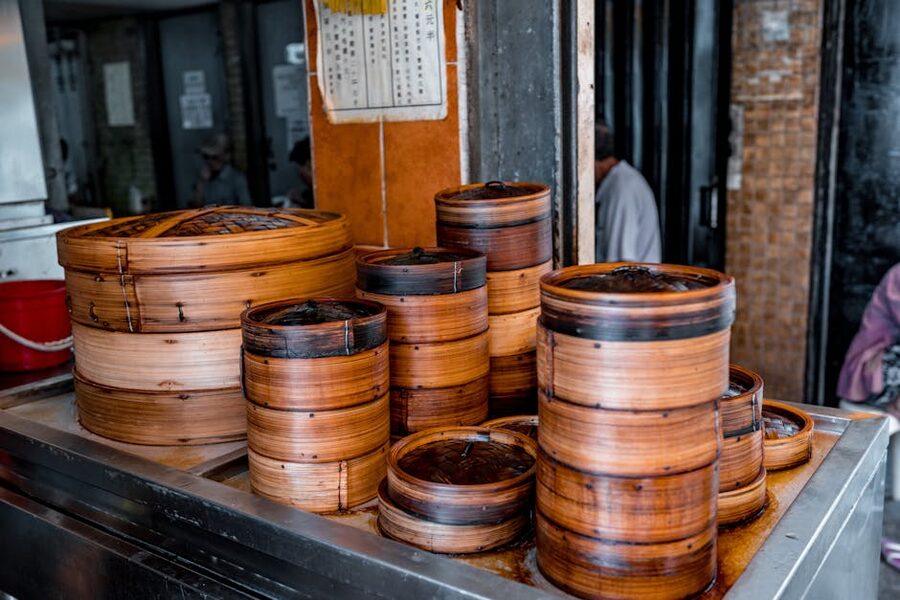
Hong Kong food to try spans five essential categories: morning cha chaan teng classics like pineapple buns and milk tea, midday dim sum in bamboo steamers, afternoon roast meats from Central's hanging-window kitchens, evening wonton noodles in superior broth, and late-night dai pai dong stir-fries. Each operates on strict timing windows—cha chaan teng breakfast ends by 11 AM, dim sum kitchens close by 3 PM, and roast counters sell out before dinner.
A single street block in Central holds four generations of culinary technique, each dish engineered for a specific hour. The pineapple bun emerges from the oven at 7:45 AM with its sugar crust still crackling. By 10 AM the same bakery serves a different product—still warm, but the textural contrast has softened. This precision explains why Hong Kong food to try requires more than a list of dishes; it demands a schedule. Cha chaan teng breakfast culture anchors the city's rhythm. At G/F, 2 Gage Street in Central, the morning shift runs 07:30 to 11:00 weekdays, serving condensed milk toast, scrambled egg sandwiches, and Hong Kong-style milk tea pulled through silk stockings. The venue operates with minimum spending requirements rather than entrance fees, and the authentic experience lives in those early hours when office workers claim their regular stools. By midday the energy shifts and the queue thins. Dim sum follows a different logic. Har gow shrimp dumplings require translucent wheat starch wrappers that tear if the filling cools, and siu mai open-top pork dumplings need their shiitake caps visible and glossy. Bamboo steamers stack three high, each tier timed to arrive at optimal temperature. Cantonese roast goose earns its reputation through basting intervals and resting periods—the skin shatters, the fat renders clear, and the meat pulls apart in defined fibers. These techniques resist shortcuts. Wonton noodles present Hong Kong's ingredient hierarchy in a bowl. Superior broth simmers for eight hours with dried flounder and pork bones. Alkaline egg noodles cook for exactly 45 seconds. Shrimp wontons wrap in precise seven-fold pleats. The three components meet only at service, preserving distinct textures. Dai pai dong open-air cooked stalls extend the tradition to evening hours, when wok heat and fast hands produce stir-fried rice noodles with that essential breath of the wok—smoky, slightly charred, impossible to replicate on home burners. The best hong kong food to try guide acknowledges these technical realities rather than ranking by popularity. Seasonal variations matter less than daily rhythms. Autumn brings hairy crab, winter adds hot pot, but the core repertoire remains stable year-round. What changes is your position in the day's sequence—arrive during the wrong shift and you miss the dish entirely.
“The pineapple bun emerges from the oven at 7:45 AM with its sugar crust still crackling; by 10 AM the same bakery serves a different product.”
The most effective time to experience authentic local breakfast traditions is during the early morning rush, which allows visitors to observe daily life while avoiding the significant mid-day queues. Arriving within the recommended window ensures access to fresh items before the peak lunch demand.
—
Visit between 07:30–11:00 to enjoy the local cha chaan teng breakfast culture. This period provides the most authentic atmosphere before the midday surge.
Mild and dry, 20°C–25°C
These months offer the most comfortable temperatures for walking between food locations. The cooler air makes outdoor dining and exploring central districts more pleasant.
Cool and humid, 15°C–20°C
Expect higher crowds during the Lunar New Year period. Prepare for cooler, damp conditions if visiting during these winter months.
Verdict: For the optimal experience, visit Tuesday to Thursday between 07:30–11:00 during the months of October or November.
The establishment operates on a consistent daily schedule throughout the week, with the exception of Sundays when the location remains closed.
There is no entrance fee required to visit this establishment. Costs are based exclusively on the individual menu items ordered during your visit.
Verdict: A typical adult pays only for their food and beverages, subject to the establishment's minimum spending policy.
The establishment is located at G/F, 2 Gage Street, Central, Hong Kong. It is best accessed via the Central Mid-Levels Escalator system which provides direct pedestrian access to the Gage Street area.
Island Line or Tsuen Wan Line to Central Station, Exit D2
From Central Mid-Levels Escalator at Cochrane Street
Drop off at Gage Street/Lyndhurst Terrace junction
Exit Central Station via D2 and walk toward Queen's Road Central to find the Mid-Levels Escalator, which brings you to the doorstep of Gage Street.
The cha chaan teng serves as the foundation of Hong Kong dining, offering a distinct blend of local and Western-influenced comfort foods. Beyond the signature morning staples, the surrounding Central district provides diverse options ranging from traditional tea houses to accessible street-side stalls.
café
Located at 2 Gage Street, this venue is widely recognized for its silk stocking milk tea and pork chop buns. It provides an authentic atmosphere for those exploring the local breakfast culture.
market
A short walk from the Gage Street area, this revitalized space hosts various local food vendors offering quick, modernized versions of traditional snacks. It serves as a practical alternative for those seeking variety beyond a single sit-down café.
street
This nearby thoroughfare is one of the oldest street markets in the city, providing opportunities to sample fresh seasonal fruits and traditional local snacks. It is a suitable spot to experience the city's food culture while avoiding the higher costs associated with tourist-centric restaurants.
Everything you need to know about hong kong food to try
The best way to enjoy hong kong food to try is by visiting local cha chaan tengs, which serve as the backbone of the city's unique breakfast culture. Immersing yourself in these historic settings provides a genuine look at the daily routines of residents.
There is 0 HKD entry fee for this location. However, menu items are priced individually and patrons should be aware of a minimum spending policy during their visit.
The best arrival window is 07:30–11:00 to avoid mid-day queues and experience the authentic morning rush. This timing ensures you get the freshest selections before the lunch crowd arrives.
Yes, local eateries are generally welcoming, though they can be bustling and compact during peak hours. Bringing children to explore hong kong food to try is a rewarding experience if you plan to visit during quieter morning windows.
While there is no entry fee, the cost of your visit depends entirely on your personal menu selections. Since you pay for what you order, you can easily control your budget while exploring hong kong food to try.
Reservations are not required, as many traditional spots operate on a first-come, first-served basis. Simply arrive during the designated opening hours to secure a table and enjoy your meal.
When planning your Hong Kong culinary experiences, focus on finding locations that prioritize traditional recipes and fresh ingredients. Look for spots that offer a blend of dim sum, milk tea, and pastry classics to get the full flavor profile of the region.